


Sewage backups are among the most dangerous types of water damage emergencies. Contaminated water may contain:
- bacteria,
- viruses,
- parasites,
- toxic chemicals,
- harmful pathogens.
Attempting improper cleanup can increase health risks and worsen property damage.
Homeowners in Maryland, DC, and Virginia should understand what NOT to do during a sewage cleanup emergency to protect their families and property.
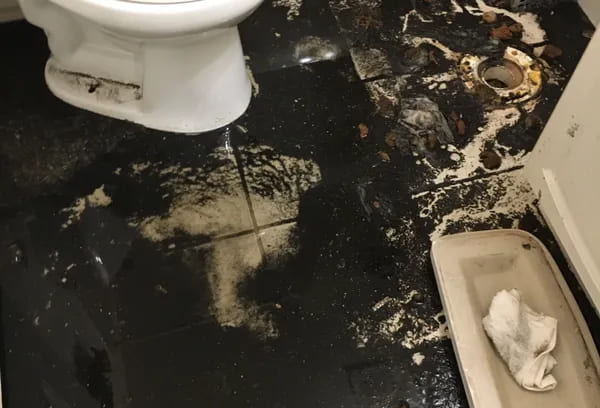
Never Enter Contaminated Water Without Protection
Sewage water is highly hazardous.
Direct exposure may lead to:
- infections,
- respiratory problems,
- skin irritation,
- illness.
Never walk through contaminated areas without:
- waterproof boots,
- gloves,
- protective clothing,
- respiratory protection if necessary.
Children and pets should stay away from affected areas completely.
Do Not Use Household Vacuums
Standard household vacuums are not designed for sewage cleanup.
Using regular vacuums may:
- spread contamination,
- damage equipment,
- increase airborne bacteria.
Professional sewage extraction equipment is required for safe removal.
Never Delay Cleanup
Sewage contamination spreads quickly.
Delaying cleanup may result in:
- severe odors,
- mold growth,
- structural damage,
- bacterial contamination,
- permanent material damage.
Fast emergency response helps minimize health and property risks.
Do Not Attempt To Save Highly Contaminated Materials
Porous materials exposed to sewage often cannot be safely restored.
This may include:
- carpet padding,
- insulation,
- drywall,
- upholstered furniture,
- mattresses.
Professional restoration teams evaluate which materials require removal for safety reasons.
Avoid Turning On HVAC Systems
Heating and cooling systems may spread airborne contaminants throughout the property.
If sewage contamination affects indoor areas:
- turn off HVAC systems immediately,
- avoid circulating air,
- isolate affected spaces.
This helps reduce contamination spread.
Do Not Ignore Hidden Moisture
Even after visible sewage water is removed, moisture may remain trapped behind:
- walls,
- flooring,
- baseboards,
- cabinets.
Hidden moisture can lead to mold growth and ongoing contamination if not professionally dried.
Why Professional Sewage Cleanup Is Important
Professional restoration companies use:
- industrial extraction systems,
- antimicrobial treatments,
- moisture detection equipment,
- protective containment procedures,
- professional drying systems.
Certified technicians follow safety protocols designed for hazardous contamination cleanup.
Common Causes of Sewage Backups
Sewage emergencies may result from:
- clogged sewer lines,
- heavy rainfall,
- tree root intrusion,
- aging pipes,
- septic system failure,
- municipal sewer overflow.
Routine plumbing maintenance helps reduce risks.
How To Prevent Future Sewage Backups
Preventive steps include:
- avoiding grease disposal in drains,
- regular sewer inspections,
- installing backwater valves,
- maintaining plumbing systems,
- monitoring tree root growth near pipes.
Prevention can significantly reduce emergency restoration costs.
FAQ
Is sewage water dangerous?
Yes. Sewage water may contain harmful bacteria, viruses, and contaminants.
Can sewage cleanup cause mold?
Yes. Moisture left untreated after sewage backups may lead to mold growth.
Should sewage-damaged carpet be removed?
In many cases, contaminated carpet and padding require professional removal.
How quickly should sewage cleanup begin?
Cleanup should begin immediately to reduce contamination and structural damage.
Does insurance cover sewage cleanup?
Coverage depends on your insurance policy and whether sewer backup coverage is included.
Need emergency sewage cleanup or water damage restoration in Maryland, DC, or Virginia? Contact Tri State Restorations for 24/7 emergency response services.