


PROFESSIONAL MOLD REMEDIATION SERVICES IN MARYLAND (MD)
Hidden mold and microbial growth found in Maryland residential, commercial, and multifamily community properties can severely impact your indoor air quality, compromise building materials, and pose serious health, safety and liability concerns if not properly addressed. At Tri State Restorations, we specialize in suspect microbial growth removal using industry-recognized standards to restore your property—and your peace of mind.
In many cases, what appears to be “mold” is considered suspect microbial growth until it is properly tested and confirmed. Following IICRC (Institute of Inspection Cleaning and Restoration Certification) and ACAC (American Council for Accredited Certification) guidelines, our team approaches every project with a focus on accurate identification, proper containment, and safe remediation.
There are millions of species of mold, many of which are not visible to the naked eye. What you see on the surface is often only a fraction of the issue. Mold develops a root-like structure (hyphae) that can penetrate porous materials such as drywall, wood, and insulation—meaning that when visible growth is present, the underlying contamination is often more extensive than it appears.
COMPREHENSIVE MOLD REMEDIATION SERVICES IN MARYLAND
Tri State Restorations provides professional mold remediation services throughout Maryland, tailored to the unique conditions of each property.
Our services include:
 Detailed visible inspection and moisture assessment.
Moisture mapping and environmental assessment.
Engineering controls including containment and negative air pressure.
Safe, targeted removal of affected materials.
HEPA air filtration and cleaning of impacted areas.
Restoration of affected building materials.
We don’t just address visible issues—we identify and eliminate the source of moisture to help prevent
future microbial growth.
24/7 Emergency Line 866-602-5782
90-minute response time!
Learn more Mold Damage Remediation (Download PDF)
Learn more The Hidden Dangers of Springtime
How to Avoid Mold & Water Disasters (Download PDF)
MULTIFAMILY, COMMERCIAL & RESIDENTIAL EXPERTISE
Tri State Restorations is a trusted partner for multifamily communities, commercial properties, and
residential homes across Maryland.
We understand that microbial concerns in occupied environments require a strategic approach that
prioritizes:
✅ Resident and occupant safety.
✅ Clear communication with property management teams.
✅ Minimized disruption to daily operations.
✅ Efficient coordination across multiple units or spaces. Our team works closely with property managers, facility teams, and homeowners to ensure that
remediation is handled professionally and responsibly.
We also stay current with Maryland-specific laws and regulations related to mold in multifamily housing,
including requirements around inspection timelines, documentation, and proper remediation
practices—helping our partners remain compliant and protected.
Tri State Restorations adheres to the requirements outlined in the Maryland Tenant Mold Protection Act (Senate Bill 856, Chapter 539), which establishes statewide standards for mold assessment and remediation in multifamily housing. Under Maryland law, property owners must perform a mold assessment within 15 days of receiving written notice of suspected mold and, if confirmed, complete remediation and correct the underlying cause within 45 days, while maintaining proper documentation and communication with occupants throughout the process.
Our team works in alignment with these requirements by supporting timely inspections, coordinating with third-party testing when applicable, and implementing remediation protocols consistent with IICRC S520 standards and emerging state guidelines. We help property managers navigate compliance with confidence while prioritizing resident safety, clear communication, and community continuity.
👉 For full details, view the official Maryland law here: Maryland Tenant Mold Protection Act (SB 856 –
Official Bill Text)
WHY CHOOSE TRI STATE RESTORATIONS IN MARYLAND
When it comes to mold remediation in Maryland, proper training, experience, and adherence to
standards matter.
Our team follows IICRC S520 guidelines for professional mold remediation, ensuring that every project is
completed safely and in accordance with industry best practices.
✅ IICRC-Certified Technicians
✅ ACAC-Aligned Best Practices
✅ Advanced Industrial Equipment & Proven Remediation Techniques
✅ Full-Service Mitigation, Remediation & Reconstruction
✅ Trusted by Homeowners, Businesses & Property Managers Across Maryland
We are committed to delivering solutions that protect both your property and the people inside it.
UNDERSTANDING MICROBIAL GROWTH RISKS
Microbial growth can release airborne spores and particulates that may impact indoor air quality. While not all mold is harmful, elevated indoor concentrations can contribute to discomfort and health concerns—especially for sensitive individuals.
Common signs of suspect microbial growth include:
● Musty or persistent odors
● Visible staining or discoloration
● Recent water damage or elevated humidity
● Increased occupant complaints
Early identification is key to preventing more extensive damage.
THE HAZARDS OF MOLD
Be aware of the warning signs Mold produces hazardous toxins that spread through airborne spores. Once airborne, these toxins pose serious health risks when inhaled by property occupants. Affects can range from a simple runny nose to possible death!
Runny Nose • Headaches • Sore throats • Shortness of breath • Coughing • Sneezing • Irritated eyes • Asthma attacks • Asthma-like symptoms • Lung infections • Sinus infections • Rashes or hives • Fatigue • Depression • Depressed immune system • Aspergillosis • Blastomycosis • Histoplasmosis • Coccidioidomycosis • Yeast infection • And more!
OUR PROVEN MOLD REMEDIATION PROCESS
Our mold remediation process is designed to safely and effectively address contamination while minimizing disruption:
1. Inspection & Assessment
We inspect and identify areas of visible suspect microbial growth and evaluate for elevated moisture conditions contributing to the issue. While we can help highlight potential contributing factors, determining the exact source of hidden moisture may require additional specialized evaluation by a licensed plumber, leak detection specialist, or industrial hygienist.
Our technicians utilize advanced diagnostic tools, including FLIR infrared thermal imaging cameras and borescopes, to assist in identifying potential hidden moisture conditions within walls, ceilings, and other building assemblies without unnecessary disruption. These tools, combined with visual inspection and odor detection, allow our highly trained technicians to assess conditions consistent with suspect microbial growth.
In accordance with IICRC S520 standards, initial assessments are based on visual observations, moisture detection, and environmental indicators, as microbial growth is often identified through sight and smell prior to any laboratory confirmation. Our team is trained to recognize these conditions and respond appropriately using industry best practices.
In accordance with IICRC S520 standards, mold remediation focuses on the removal of contamination and control of conditions conducive to growth, and does not constitute a full building or moisture intrusion investigation.
2. Containment
Engineering controls are established to prevent cross-contamination of unaffected areas during the remediation process. This includes the installation of critical barriers and negative air containment to isolate the work area.
Our team sets up negative air pressure using HEPA-filtered Air Filtration Devices (AFDs) to ensure that air flows into the contained work area and not out into adjacent spaces. This controlled airflow helps capture and remove airborne particulates, including mold spores, preventing them from migrating to clean areas of the property.
HEPA filtration is utilized to continuously clean the air within the containment, reducing airborne concentrations and supporting a safer work environment for both occupants and technicians.
In accordance with IICRC S520 standards, containment and engineering controls are implemented to control the spread of contamination and maintain pressure differentials that limit the migration of mold spores during remediation activities.
3. Removal & Cleaning
Affected materials are removed or cleaned using professional remediation methods in accordance with industry standards. All removal and cleaning activities are performed within established containment and under negative air pressure to prevent cross-contamination and protect unaffected areas of the property.
By maintaining negative air containment with HEPA-filtered Air Filtration Devices (AFDs), airborne particulates—including mold spores—are continuously captured and filtered during the remediation process. This controlled environment helps ensure that contaminants are not dispersed into adjacent spaces, supporting safe conditions and helping maintain indoor air quality throughout the project.
For non-porous and semi-porous materials, we utilize industry-recognized cleaning techniques such as the “HEPA sandwich” method, which involves:
1. Initial HEPA vacuuming to remove loose particulate matter.
2. Damp wiping with an appropriate cleaning solution to remove adhered contamination.
3. Final HEPA vacuuming to capture any remaining particulates.
This multi-step process is effective in reducing surface contamination and preventing the redistribution of spores into the air.
In cases where mold has penetrated surfaces, mechanical agitation methods such as wire brushing, sanding, or abrasive cleaning may be required to fully remove contamination. Per IICRC S520 guidelines, remediation is focused on the physical removal of mold contamination, not simply treating or encapsulating it. Where materials cannot be effectively cleaned, they are safely removed and disposed of in accordance with industry best practices.
In accordance with IICRC S520 standards, successful remediation requires the removal of mold contamination through cleaning and/or demolition, along with the control of airborne particulates to prevent the spread of contamination during the remediation process.
4. Air Filtration and Air Quality Improvements
HEPA air filtration is utilized throughout the remediation process to capture and remove airborne particulates, including mold spores, dust, and other contaminants generated during removal and cleaning activities.
Our team deploys HEPA-filtered Air Filtration Devices (AFDs) within the containment area to continuously scrub the air and maintain controlled environmental conditions. These systems are designed to capture particles as small as 0.3 microns with a minimum efficiency of 99.97%, making them highly effective at removing airborne mold spores and fine particulates that are not visible to the naked eye.
By operating these devices under negative air pressure, contaminated air is drawn through the HEPA filtration system rather than escaping into unaffected areas. This process helps prevent cross-contamination while actively improving air quality within the work zone.
Air filtration is a critical component of remediation because many mold-related hazards are airborne rather than surface-level. Without proper filtration, disturbance of contaminated materials can increase the concentration of spores in the air, potentially spreading contamination and impacting indoor environments.
In accordance with IICRC S520 standards, air filtration devices and engineering controls are used to reduce airborne particulate levels and to help return the indoor environment to a normal fungal ecology, supporting safe and acceptable air quality conditions following remediation.
5. Restoration
Following remediation, Tri State Restorations provides full-service reconstruction to return your property to pre-loss condition. As a Maryland Home Improvement Commission (MHIC) licensed contractor, we are uniquely positioned to not only address the microbial issue, but to also restore the affected areas with quality craftsmanship and attention to detail. Our team works closely with property owners, managers, and stakeholders to develop a customized restoration plan that aligns with your goals, budget, and timeline. From drywall replacement and flooring installation to painting and finish work, we guide you through the material selection process and help ensure the final result meets both functional and aesthetic expectations.
For multifamily and commercial properties, we understand the importance of minimizing disruption and maintaining occupancy whenever possible. We coordinate restoration efforts efficiently to support your recovery while keeping your property operational.
By offering both remediation and reconstruction services under one roof, Tri State Restorations provides a seamless transition from mitigation to rebuild—helping you move forward with confidence.
Turning Disaster into Peace of Mind®—from initial response through final restoration.
THE REMEDIATION PROCESS
Tri State technicians perform state-of-the-art
inspections utilizing infrared technology to determine
specific levels of mold content and where they exist.
Our certified mold remediation experts arrive onsite
to provide a full inspection of the damage in your
home or facility, then provide you with an action
plan leading to a simple and efficient mold removal
process, and include recommendations to prevent
future intrusions.
WE IDENTIFY
AND ELIMINATE
THE SOURCE
TSR CERTIFIED TECHNICIANS WILL:
1
TSR certified technicians arrive on site ready to plan your customized remediation strategy based on IICRC operating standards for contamination removal and get to work.
2
We start your remediation by extracting water and moisture from your property to begin the removal of all affected areas.
3
We then identify the source of your mold disaster and completely remove all microbial damage and growth to prevent future hazards.
4
TSR while using state-of-the art equipment to ensure your life returns to normal as fast as possible!
TYPES OF MOLD
THE MOLD IN YOUR PROPERTY COULD INCLUDE, BUT IS NOT LIMITED TO…..
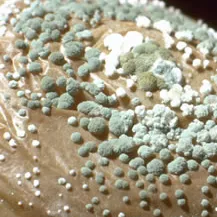
Chaetomium
Commonly found in soil, air, cellulose and plant debris, this contaminant is known to cause infections and Type 1 allergic reactions or for those with compromised immune systems, extreme illness and death.
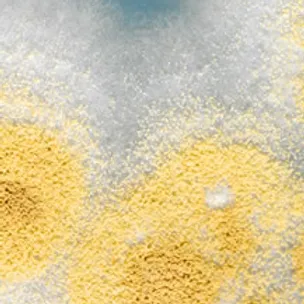
Penicillium
Although this common blue-green mold produces the antibiotic penicillin, prolonged exposure can result in:
- Allergic Reactions
- Respiratory Symptom
- Organ Damage
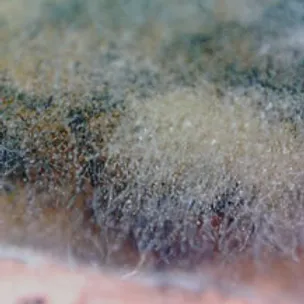
Aspergillus
This mold produces harmful toxins that cause serious health risks which can often become fatal for those with weakened or compromised immune systems.
Hay Fever
Asthmatic Reactions
Lung Infections
Stachybotrys
Most commonly known as black mold, this fungis is often found on wet materials and is difficult to spot because growth occurs behind walls and under ceilings. Black mold can cause severe adverse health reactions and is considered extremely dangerous.
TYPES OF
APPOINTMENT
WITH THE EXPERTS
It never hurts to get expert mold & mildew advice... reach out to TSR to speak with an expert today!
Maryland & Virginia, and for commercial properties in Washington D.C.
We provide commercial and residential mold removal & remediation in
Maryland & Virginia, and for commercial properties in Washington D.C.
Contact our 24-hour Emergency Line: 866-602-5782