



Mold Remediation Fairfax County
When mold appears inside your home or business, cleaning the visible growth is only part of the job. Mold can develop behind walls, beneath flooring, around plumbing, inside damp basements, and in other areas where moisture has been present for too long.
Tri State Restorations provides professional mold remediation in Fairfax County for residential and commercial properties. Our approach focuses on identifying the moisture problem, containing affected areas, removing damaged materials when necessary, and restoring the space to a clean and usable condition.
If you have discovered mold after a leak, flooding, plumbing issue, roof problem, or persistent humidity, getting the situation evaluated early can help prevent the problem from becoming more extensive.
Professional Mold Remediation in Fairfax County
Mold problems are not always easy to assess by looking at the surface. A small visible area may be associated with moisture behind drywall, under flooring, around pipes, or in other concealed spaces.
Our mold remediation service is designed around the conditions we find at the property rather than using the same approach for every situation.
Depending on the circumstances, the remediation process may include:
- Inspecting areas affected by visible or suspected mold
- Identifying moisture sources contributing to mold growth
- Assessing affected building materials
- Containing impacted areas when appropriate
- Removing mold-affected materials that cannot be restored
- Cleaning and treating salvageable surfaces
- Addressing moisture and water-related conditions
- Taking steps to reduce the likelihood of recurring mold growth
- Restoring affected areas as part of the overall project
The goal is not simply to make mold disappear from sight. The underlying moisture condition needs to be addressed as part of an effective remediation plan.
What Causes Mold Growth in Fairfax County Properties?
Mold needs moisture and a suitable environment to grow. In a home or commercial building, that moisture can come from many different sources.
Common causes include:
Plumbing Leaks
A leaking pipe, supply line, drain, or fixture can introduce moisture into walls, ceilings, cabinets, and flooring. Even a slow leak can create conditions where mold develops if it remains unnoticed.
Water Damage
Flooding and other water emergencies can leave building materials damp for an extended period. Prompt water removal and drying can be important in limiting additional damage.
Basement Moisture
Basements can be particularly vulnerable to moisture problems. Water intrusion, condensation, foundation issues, and inadequate ventilation can all contribute to persistent dampness.
Roof or Exterior Leaks
Water entering through damaged roofing, flashing, windows, or exterior surfaces can eventually affect ceilings and interior walls.
High Indoor Humidity
Excess humidity can create condensation on cooler surfaces and contribute to moisture problems in bathrooms, basements, kitchens, and other areas.
Hidden Moisture
Sometimes there is no obvious leak. Moisture can remain behind drywall, underneath flooring, or around fixtures until staining, odors, or visible mold brings attention to the problem.
Signs You May Need Mold Remediation
Not every dark spot or musty smell automatically means you have a major mold problem. However, certain signs deserve attention.
You may want to have the property evaluated if you notice:
- Visible mold growth
- Persistent musty odors
- Discoloration on walls or ceilings
- Recurring moisture or condensation
- Water stains that keep returning
- Damp drywall, insulation, flooring, or carpet
- Mold returning after surface cleaning
- A history of flooding or significant water damage
- Moisture discovered inside walls, cabinets, or other concealed areas
If mold continues to return after cleaning, the moisture source may not have been properly addressed.
01
Completely remove any and all microbial growth.
02
03
04
Tri State Restorations is a Virginia Licensed, Insured & Bonded
Professional Remediation Firm servicing Fairfax County, VA.
Trust Us to Turn Disaster into Peace of Mind.
The Mold In Your Property
can include but is not limited to ...
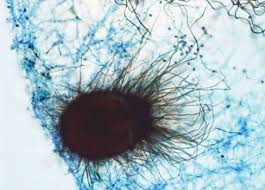
Chaetomium
Commonly found in soil, air, cellulose and plant debris. A contaminant known to be a causative agent of Type 1 allergic reactions and infections in humans. Extreme illness and even fatality has been documented in some immune- compromised cases.
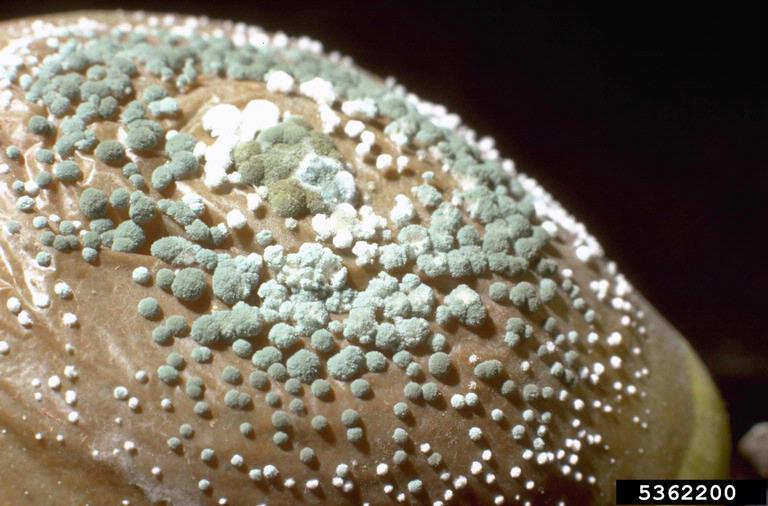
Penicillium
A blue-green mold commonly found in households. While the antibiotic penicillin is made from this mold, exposure to the mycotoxins of the mold itself can result in:
• Allergic Reactions
• Respiratory Symptoms
• Organ Damage
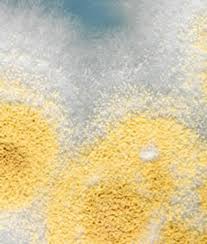
Aspergillus
Produces some harmful toxins that can cause serious problems or even prove fatal for those with weakened or otherwise compromised immune systems. Can cause:
• Hay Fever
• Asthmatic Reactions
• Lung Infections
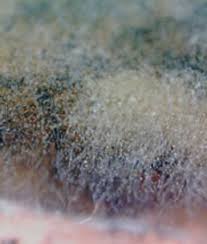
Stachybotrys
Better known as black mold. It is a contaminant found on wet cellulose type materials. It often. grows at the back of walls and under ceilings, and is usually difficult to spot. It causes adverse health reactions and is considered dangerous to people and animals.
MOLD DAMAGE REMEDIATION
RESIDENTIAL & COMMERCIAL RESTORATION SERVICES
IN FAIRFAX COUNTY, VA
Homes • Basements • Bathrooms • Kitchens • Walls & Drywall • Carpet • More
Offices • Businesses • Retail Stores • Malls • Hospitals • Schools • Libraries • More
Serving Communities Throughout Fairfax County
Annandale
Chantilly
Fairfax
Fairfax Station
Great Falls
Herndon
Lorton
McLean
Mount Vernon
Reston
Springfield
Tysons
Vienna
And surrounding Fairfax County communities
Our Mold Remediation Process
Every property is different, so the appropriate remediation process depends on the extent and location of the affected area.
1. Property Assessment
The first step is understanding what happened and where moisture or mold may be present. Our team evaluates the affected areas and looks for conditions that may have contributed to the problem.
2. Find the Moisture Source
Removing visible mold without addressing the moisture problem can allow growth to return. We look for leaks, water intrusion, humidity, condensation, or other conditions that may be contributing to the issue.
3. Establish a Remediation Plan
Once the affected areas are understood, we determine the appropriate approach for the property. This can include containment, cleaning, removal of damaged materials, drying, and other restoration work.
4. Contain the Affected Area
When appropriate, affected areas can be isolated to help limit the movement of contaminants into unaffected portions of the property.
5. Remove or Clean Affected Materials
Materials that cannot be effectively restored may need to be removed. Materials that can be salvaged are cleaned using appropriate remediation procedures.
6. Address Moisture
Moisture control is an important part of remediation. The source of the moisture needs to be corrected or managed so the conditions that supported mold growth do not continue.
7. Restoration
After remediation, damaged portions of the property may require additional restoration. Depending on the project, this can involve drywall, flooring, insulation, paint, or other building materials.
Residential Mold Remediation in Fairfax County
Mold can develop in almost any part of a home where moisture is present.
Our residential mold remediation services can address affected areas such as:
- Basements
- Bathrooms
- Kitchens
- Bedrooms
- Attics
- Laundry rooms
- Walls and ceilings
- Drywall
- Flooring
- Carpet
- Cabinets
- Areas around plumbing
- Other moisture-affected spaces
Whether you have discovered a small area of visible growth or are dealing with mold following significant water damage, the right response depends on identifying the source and understanding the extent of the problem.
Commercial Mold Remediation
Mold can also disrupt offices, retail locations, schools, healthcare facilities, warehouses, and other commercial properties.
For businesses, the challenge is often more than the physical damage. An affected area may interfere with normal operations, employees, customers, inventory, or valuable equipment.
Tri State Restorations works with commercial property owners and managers to develop practical remediation plans based on the affected area and the needs of the property.
Our commercial mold remediation services may involve:
- Offices
- Retail properties
- Commercial buildings
- Schools
- Medical facilities
- Libraries
- Warehouses
- Multi-unit properties
- Other commercial spaces
When possible, the work can be planned to minimize unnecessary disruption to the rest of the property.
What About Black Mold?
“Black mold” is a common term used for certain dark-colored molds, but appearance alone is not a reliable way to identify a particular type of mold.
If you discover dark or black-looking growth in your home or business, avoid disturbing it unnecessarily. A professional assessment can help determine what is present and what type of remediation is appropriate.
The important issue is not simply the color of the growth. The source of moisture, affected materials, size and location of the affected area, and conditions within the property all matter when developing a remediation plan.
Why Professional Mold Remediation Matters
Mold cleanup is not always as simple as wiping down a surface.
If moisture remains behind a wall or underneath a floor, visible cleaning may only address part of the problem. Likewise, porous materials that have been significantly affected may not be suitable for simple surface cleaning.
Professional remediation can help property owners:
- Identify the source of the moisture problem
- Determine which materials are affected
- Limit disturbance of contaminated areas
- Remove materials that cannot be effectively restored
- Properly clean salvageable areas
- Address the conditions contributing to mold growth
- Restore affected portions of the property
The right solution depends on the individual property and the extent of the damage.
What Should You Do If You Find Mold?
If you discover mold, there are a few sensible steps you can take while arranging an assessment.
Do not disturb the affected area unnecessarily. Scrubbing, cutting into walls, or removing materials without understanding what is behind them can spread contamination or make the problem harder to manage.
Look for the source of moisture. If there is an active plumbing leak or other obvious water source, it should be addressed as soon as possible.
Do not rely only on household cleaners. Surface cleaning may not resolve mold growing inside porous materials or areas that remain damp.
Document the damage. Photos of visible mold, water staining, leaks, and affected rooms can be useful when discussing the situation with a restoration professional or insurance company.
Arrange a professional evaluation when the problem is extensive or recurring. This is especially important when mold appears after significant water damage or continues to return.
Frequently Asked Questions About Mold Remediation in Fairfax County
How do I know if I need mold remediation?
If you see recurring mold, notice persistent musty odors, have experienced significant water damage, or suspect mold may be growing in concealed areas, a professional evaluation can help determine the appropriate next step.
Can I clean mold myself?
Small surface areas may sometimes be handled by property owners, depending on the circumstances. However, larger areas, recurring growth, mold associated with water damage, or mold affecting porous building materials can require a more comprehensive approach.
Does mold always mean there is a major problem?
Not necessarily. The significance of a mold issue depends on factors such as the amount of growth, location, moisture conditions, affected materials, and the overall condition of the property. A professional assessment can help determine what needs to be done.
Why does mold keep coming back after cleaning?
Recurring mold often indicates that the moisture condition supporting the growth has not been corrected. Finding and addressing the source is an important part of effective remediation.
Can mold grow behind walls?
Yes. Moisture from plumbing leaks, roof leaks, condensation, or other sources can create conditions for mold growth behind drywall and other concealed areas.
How quickly should I respond to mold after water damage?
It is best to address moisture and water damage promptly. The longer building materials remain damp, the greater the opportunity for additional damage and microbial growth.
Do you provide mold remediation for businesses?
Yes. Tri State Restorations provides mold remediation services for both residential and commercial properties in Fairfax County.
Do I need to leave my home during mold remediation?
That depends on the size and location of the affected area and the work required. Your restoration professional can explain whether occupants should remain in the property during specific stages of the project.
Need Mold Remediation in Fairfax County?
Mold problems can be stressful, particularly when you are unsure how far the damage extends or what caused it in the first place.
Tri State Restorations can evaluate the situation and help you understand the next steps. Whether the problem started with a plumbing leak, water damage, basement moisture, or another source, addressing the moisture issue and affected materials is an important part of getting the property back to a clean, comfortable condition.
If you need professional mold remediation in Fairfax County, contact Tri State Restorations today for assistance.
24/7 Emergency Line: 866-602-5782