


Winter storms can cause more than travel disruptions and power outages—they often lead to frozen pipes, one of the most damaging cold-weather property issues. When temperatures drop below freezing, water inside pipes can freeze, expand, and create intense pressure that causes pipes to crack or burst.
This article explains how frozen pipes form, why winter storms increase the risk, and what property owners should know to prevent serious water damage.
How Frozen Pipes Occur
Pipes freeze when exposed to prolonged cold temperatures, especially when water inside them is not moving. As water freezes, it expands, placing pressure on the pipe walls.
Frozen pipes are most common in:
- Unheated areas such as basements, crawl spaces, and garages
- Exterior walls with insufficient insulation
- Vacant or rarely used properties
- Homes experiencing power outages during winter storms
Why Winter Storms Increase the Risk
Winter storms create conditions that significantly increase the likelihood of frozen pipes:
- Sudden temperature drops below 32°F
- Extended periods of extreme cold
- Power outages affecting heating systems
- Strong winds that penetrate poorly insulated walls
- Snow and ice blocking ventilation and access points
When these factors combine, pipes can freeze quickly—sometimes overnight.
What Happens When a Frozen Pipe Bursts
A pipe rarely bursts where it freezes. Instead, pressure builds between the frozen blockage and the faucet, eventually causing the pipe to rupture.
When the ice thaws:
- Large volumes of water may escape rapidly
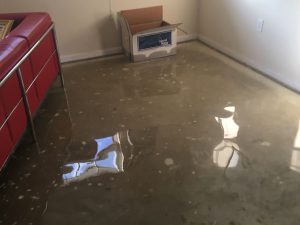
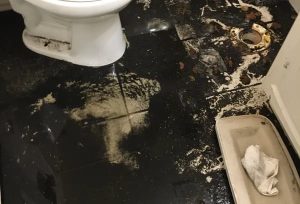
- Walls, ceilings, and flooring can become saturated
- Electrical systems may be exposed to moisture
- Mold growth can begin within 24–48 hours
Water damage from frozen pipes is often extensive because leaks may go unnoticed until significant damage has occurred.
Warning Signs of Frozen Pipes
Recognizing early signs can help reduce damage:
- Reduced or no water flow from faucets
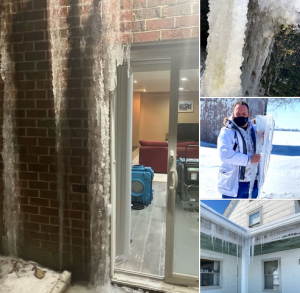
- Frost on exposed pipes
- Unusual odors from drains
- Strange noises when turning on faucets
- Bulging or cracked pipe sections
If any of these signs appear during cold weather, action should be taken immediately.
Immediate Steps to Take If Pipes Freeze
If a pipe is suspected to be frozen:
- Keep the faucet open to relieve pressure
- Apply gentle heat using warm air or heating pads
- Avoid open flames or high heat sources
- Monitor for leaks once water flow returns
If a pipe has burst, the water supply should be shut off immediately to minimize damage.
Preventing Frozen Pipes During Winter Storms
Preventive measures significantly reduce the risk of frozen pipes:
- Insulate exposed pipes in unheated areas
- Seal air leaks near pipes and exterior walls
- Maintain indoor temperatures, even when away
- Allow faucets to drip during extreme cold
- Disconnect outdoor hoses before winter
- Drain irrigation systems before freezing temperatures
Properties that remain vacant during winter should receive additional monitoring.
Frozen Pipes in Homes vs Commercial Properties
Both residential and commercial buildings face frozen pipe risks, but the impact differs:
- Homes: damage to living spaces, personal belongings, and structural components
- Commercial properties: damage to inventory, equipment, and extended downtime
Larger buildings often have more complex plumbing systems, increasing the potential for hidden damage.
Winter Storms and Secondary Damage Risks
In addition to water damage, winter storms can lead to:
- Mold growth from lingering moisture
- Structural weakening due to repeated freeze-thaw cycles
- Damage to insulation and drywall
- Electrical safety hazards
Addressing moisture quickly after winter weather events is critical to preventing long-term issues.
Conclusion
Frozen pipes are a common but preventable consequence of winter storms. Understanding how freezing occurs, recognizing early warning signs, and taking preventive steps can help property owners avoid significant water damage and costly repairs.
Cold-weather preparation and prompt action during winter storms play a crucial role in protecting both homes and businesses from frozen pipe damage.
Frequently Asked Questions
How cold does it need to be for pipes to freeze?
Pipes can freeze when temperatures drop below 32°F, especially during prolonged cold periods.
Can pipes freeze even if the heat is on?
Yes. Pipes located in unheated or poorly insulated areas may freeze despite indoor heating.
Do frozen pipes always burst?
Not always, but freezing significantly increases the risk of rupture when pressure builds inside the pipe.
Tri State Restorations LLC is an IICRC-certified disaster restoration company serving Washington DC, Maryland, and Virginia. With extensive experience handling frozen pipe damage, winter storm water loss, and emergency restoration, the team focuses on rapid response, proper drying, and preventing secondary issues such as mold and structural damage. Tri State Restorations works with both homeowners and businesses, providing dependable recovery solutions when unexpected winter damage occurs.
Sharing is caring!