



Water damage is not always easy to recognize. A ceiling may look perfectly normal while moisture accumulates behind it, or a wall may appear dry even though water has entered the insulation or wooden framing. These concealed problems can gradually affect building materials, create unpleasant odors, and encourage mold growth. Identifying Hidden Water Damage before it becomes a major restoration issue is therefore essential for homeowners and commercial property owners. This is where moisture mapping technology makes a significant difference.
Instead of relying only on visible stains or damaged surfaces, professional restoration specialists use advanced moisture detection equipment to identify areas with unusual moisture levels. By combining moisture meters, infrared thermal imaging, and environmental measurements, technicians can develop a clearer picture of where water has traveled and which materials may require attention.
Understanding how this technology works can help property owners recognize the importance of professional water damage inspections and make better decisions about restoration.
What Is Moisture Mapping Technology?
Moisture mapping is a systematic inspection process used to identify, measure, and document moisture conditions throughout a building. Restoration professionals use specialized equipment to examine walls, ceilings, floors, and other structural components that may have been affected by water intrusion.
The process involves taking measurements at multiple locations and comparing the results to establish which areas have elevated moisture levels. Technicians then use these readings to create a moisture map that illustrates the affected sections of a property.
Unlike a basic visual inspection, moisture mapping provides measurable information about building materials. It can help determine whether water has spread beyond the original leak or whether dampness remains in areas that appear dry.
For example, following a plumbing leak in a kitchen, water may travel beneath cabinets, behind drywall, and into adjoining flooring. Although the visible water may be cleaned up quickly, moisture can remain trapped in these concealed spaces. Moisture mapping helps restoration teams investigate the full extent of the problem.
Why Is Hidden Water Damage Difficult to Detect?
Water does not always remain where it first enters a building. Depending on the construction materials and surrounding conditions, it can move through small openings, travel along structural components, or become absorbed into porous surfaces.
Several factors make concealed moisture particularly difficult to identify.
1. Water Can Travel Behind Walls
A leaking pipe inside a wall cavity may allow water to spread through insulation, drywall, and wooden framing. The exterior wall surface might not show visible damage immediately.
By the time discoloration or paint deterioration appears, moisture may already have affected a larger section of the structure.
2. Flooring Can Conceal Moisture
Water from a dishwasher leak, washing machine overflow, or plumbing failure can move beneath hardwood, laminate, tile, or carpet.
Even when the surface feels dry, the underlying subfloor or underlayment may retain moisture. This can eventually cause flooring to warp, loosen, or deteriorate.
3. Insulation Can Retain Water
Fiberglass and other insulation materials can become damp when exposed to water intrusion. Since insulation is generally located behind finished walls or above ceilings, identifying the problem without specialized equipment can be challenging.
4. Small Leaks Can Continue Unnoticed
A slow plumbing leak or minor roof penetration may release small amounts of water over an extended period. Because the moisture accumulates gradually, property owners may not notice the problem until more visible symptoms develop.
These situations demonstrate why relying exclusively on visual inspections may not be sufficient when water damage is suspected.
How Does Moisture Mapping Technology Work?
Professional moisture mapping combines different inspection tools to locate moisture and evaluate affected materials. Each tool provides different information, allowing restoration specialists to build a more complete understanding of the property’s condition.
1. Moisture Meters Measure Moisture Levels in Materials
Moisture meters are among the most commonly used instruments in water damage inspections. They help technicians determine whether building materials contain unusually high levels of moisture.
There are two common types:
Pin-Type Moisture Meters
These devices use two small metal pins that make direct contact with the material being tested. They measure electrical resistance between the pins to estimate moisture content.
Pin-type meters are useful for checking materials such as wood and drywall. However, they may leave small marks because the pins penetrate the surface.
Pinless Moisture Meters
Pinless meters use electromagnetic or capacitance-based technology to evaluate moisture conditions without penetrating the material.
They are particularly useful when technicians need to inspect larger surface areas without damaging paint, flooring, or finished walls.
By taking readings at different locations, professionals can compare moisture levels and identify areas that require further investigation.
2. Infrared Cameras Identify Temperature Differences
Thermal imaging cameras are another important tool used during moisture inspections.
These devices detect infrared radiation and display surface temperature variations as different colors or shades. When water evaporates from a damp surface, it can create a cooling effect that may appear as a temperature difference on the thermal image.
For example, a section of drywall affected by a plumbing leak may appear cooler than the surrounding dry material. This temperature variation can help technicians identify an area that deserves additional testing.
However, infrared cameras do not directly detect water or measure moisture content. Temperature differences can also result from missing insulation, air movement, thermal bridging, or HVAC conditions.
For this reason, experienced technicians use thermal imaging as an investigative tool and verify suspicious areas with appropriate moisture meters.
3. Hygrometers Measure Indoor Humidity
Moisture problems are not limited to wet building materials. Excessive humidity in indoor air can also contribute to condensation and mold-related concerns.
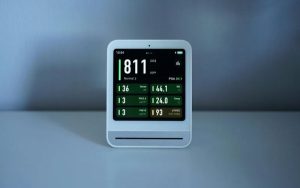
A hygrometer measures relative humidity, helping technicians understand the moisture conditions within a room or building.
These measurements are particularly useful when investigating:
- Damp basements and crawl spaces.
- Bathrooms with inadequate ventilation.
- Rooms affected by condensation.
- Buildings with persistent musty odors.
- Areas where water damage has occurred previously.
Monitoring humidity alongside material moisture readings helps professionals distinguish between localized water intrusion and broader environmental moisture conditions.
4. Thermal Imaging and Moisture Readings Create a Combined Assessment
The real value of moisture mapping comes from combining different inspection methods.
An infrared camera may identify a suspicious temperature pattern, while a moisture meter helps determine whether the material actually contains elevated moisture. Environmental readings provide additional information about humidity and drying conditions.
By comparing these findings, technicians can identify affected areas more accurately and determine where additional inspection may be necessary.
Step-by-Step: How Professionals Create a Moisture Map
Moisture mapping follows a structured process rather than relying on random equipment readings. Although the exact procedure depends on the property and the severity of the water intrusion, a professional inspection generally involves the following steps.
Step 1: Initial Property Inspection
Technicians begin by discussing the property’s water damage history and identifying possible sources of moisture.
They inspect visible signs such as:
- Water stains on ceilings and walls.
- Peeling paint or bubbling wallpaper.
- Warped flooring and damaged baseboards.
- Musty odors.
- Visible condensation.
- Areas near plumbing fixtures and appliances.
The inspection also considers potential sources such as roof leaks, damaged pipes, drainage problems, and HVAC malfunctions.
Step 2: Establishing Baseline Moisture Readings
Before identifying affected areas, technicians take readings from materials that appear unaffected.
These baseline measurements provide a useful comparison when examining potentially damaged sections of the same material.
For example, moisture readings from an unaffected section of drywall can help technicians evaluate whether another section has unusually high moisture levels.
This comparison is important because building materials naturally contain some moisture, and readings can vary depending on material type and environmental conditions.
Step 3: Scanning Suspected Areas
Technicians use moisture meters and infrared cameras to examine areas that may have been exposed to water.
They may inspect walls, ceilings, floors, adjoining rooms, and spaces near plumbing systems. When necessary, additional measurements are taken around the suspected source to understand how far moisture has traveled.
Step 4: Recording and Mapping the Results
The readings are documented and organized into a moisture map.
Depending on the equipment and inspection process, this may involve a digital floor plan, annotated photographs, measurement records, or a color-coded diagram.
The map helps identify areas with elevated moisture levels, locations requiring further investigation, and sections that need monitoring during restoration.
Step 5: Determining the Appropriate Restoration Approach
After reviewing the findings, restoration specialists determine the next steps.
Depending on the severity of the damage, these may include:
- Locating and repairing the original water source.
- Removing standing water.
- Extracting water from affected materials.
- Setting up professional drying equipment.
- Removing materials that cannot be adequately restored.
- Monitoring moisture levels throughout the drying process.
Moisture mapping is not simply an inspection activity. It also helps restoration professionals evaluate whether their drying methods are working as intended.
What Types of Water Damage Can Moisture Mapping Identify?
Moisture mapping is useful in several residential and commercial restoration situations.
Plumbing Leaks: Small leaks inside walls, beneath sinks, or around water supply lines can affect surrounding construction materials. Moisture measurements help identify areas requiring additional inspection.
Roof and Ceiling Leaks: Rainwater can enter through damaged shingles, flashing, roof penetrations, or other openings. It may travel along roof structures before appearing as a ceiling stain.
Basement Water Intrusion: Water entering through foundation cracks, poorly functioning drainage systems, or groundwater pressure can affect basement walls and flooring.
Appliance Leaks: Dishwashers, washing machines, refrigerators, and water heaters can release water that spreads beneath flooring and cabinetry.
Flood and Storm Damage: Heavy rainfall, flash flooding, and storm-related water intrusion can affect multiple rooms and building materials. Moisture mapping helps establish the extent of the affected areas.
Research and Industry Guidance: Why Early Moisture Detection Matters
The importance of moisture detection is supported by guidance from the U.S. Environmental Protection Agency (EPA).
According to the EPA’s A Brief Guide to Mold, Moisture and Your Home, wet or damp materials and areas should ideally be dried within 24 to 48 hours after a leak or spill. In most cases, prompt drying within this period can prevent mold growth.
This recommendation highlights why identifying moisture early is important. Water may disappear from visible surfaces, but concealed moisture can remain in drywall, insulation, flooring, and other absorbent materials.
The EPA also recommends maintaining indoor relative humidity below 60%, ideally between 30% and 50%, when possible, to help control moisture-related problems.
Another useful technical reference comes from the National Institutes of Health (NIH). Its Office of Research Facilities published a technical bulletin in September 2017 explaining how thermal imaging cameras and moisture meters can be used to investigate unwanted moisture in buildings.
The bulletin explains that infrared cameras identify temperature variations, while moisture meters help evaluate moisture conditions within materials. It also emphasizes that these instruments have limitations and that readings must be interpreted correctly.
These resources demonstrate why effective moisture inspections require more than a single piece of equipment. Proper measurements, technical knowledge, and follow-up verification all contribute to a reliable assessment.
Research and reference sources:
- U.S. Environmental Protection Agency – A Brief Guide to Mold, Moisture and Your Home
- National Institutes of Health – Unwanted Moisture in Buildings, Part 2 (September 2017)
- U.S. EPA – Moisture Control Guidance for Building Design, Construction and Maintenance
Benefits of Moisture Mapping for Residential and Commercial Properties
Moisture mapping offers several practical advantages during water damage inspections and restoration projects.
More Accurate Identification of Affected Areas
Visible damage does not always represent the full extent of a water intrusion problem. Moisture mapping helps technicians investigate surrounding materials and identify areas that may otherwise go unnoticed.
Reduced Unnecessary Demolition
Without proper inspection, contractors may remove large sections of drywall, flooring, or other materials simply to investigate suspected moisture.
Moisture mapping can help narrow down the areas that require further examination, potentially reducing unnecessary demolition. However, destructive inspection may still be needed when moisture is suspected inside inaccessible cavities.
Better Drying Monitoring
Restoration teams can take repeated readings from previously affected locations to evaluate whether moisture levels are decreasing.
This helps determine whether additional drying time or adjustments to the equipment are necessary.
Improved Restoration Documentation
Recorded measurements, photographs, and moisture maps provide useful documentation of the property’s condition.
This information can support communication between property owners, restoration contractors, insurance representatives, and other professionals involved in the project.
Reduced Risk of Long-Term Damage
Identifying and addressing moisture problems promptly can help reduce the likelihood of continued material deterioration, mold growth, and recurring water damage.
Why Professional Moisture Mapping Is Better Than a Basic Visual Inspection
Homeowners can recognize obvious warning signs, such as standing water, discoloration, or peeling paint. However, they may not have the equipment or technical knowledge needed to investigate moisture inside building materials.
Professional restoration technicians understand how different materials respond to water and how environmental conditions can affect measurement results.
They also know that a thermal image is not proof of water intrusion and that moisture meter readings must be interpreted according to the material being tested.
A professional inspection is particularly valuable when the water source is unclear, the affected area is extensive, the property has experienced repeated leaks, or moisture may be present behind finished surfaces.
When water damage involves contaminated water, extensive mold growth, or potentially unsafe structural conditions, qualified restoration professionals should evaluate the situation before cleanup or demolition begins.
Conclusion
Water damage can extend far beyond what is visible on walls, ceilings, and floors. Without proper investigation, moisture trapped inside building materials may continue affecting a property long after the original leak or flood has been addressed.
Moisture mapping technology gives restoration professionals a systematic way to investigate these conditions using moisture meters, infrared cameras, humidity measurements, and documented inspection results. When these tools are used correctly, they help identify affected areas, guide drying decisions, and monitor restoration progress.
Recognizing Hidden Water Damage early can make a meaningful difference in protecting a property’s structural condition and indoor environment. Whether dealing with a plumbing leak, roof intrusion, basement flooding, or storm damage, a professional moisture assessment can help property owners understand the problem and take appropriate action before it becomes more extensive.
If you suspect moisture behind your walls, beneath your flooring, or inside your ceiling, consider contacting an experienced water damage restoration professional for a thorough inspection and an appropriate restoration plan.