




Vacant Units in Winter: How Small Oversights Can Lead to Big Losses
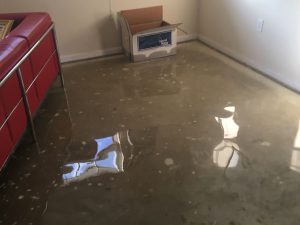
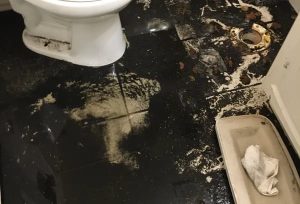
Vacant units pose unique risks year-round, but winter conditions in the DMV can quickly turn a seemingly secure, empty space into a costly property loss. Without regular occupancy, small issues often go unnoticed — until they escalate into frozen pipes, water damage, mold growth, pest intrusion, or even unauthorized entry.
Taking proactive steps during the winter months is critical to protecting vacant units, preserving building systems, and avoiding unnecessary disruption and expense.
Maintain Proper Temperature Controls
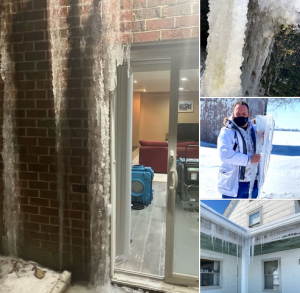
One of the most common winter losses in vacant units stems from inadequate heating. Thermostats should be set to at least 65°F to help prevent pipes from freezing, particularly those located in exterior walls or uninsulated areas. Smart thermostats or building management systems can provide alerts if temperatures drop unexpectedly, allowing for quicker intervention before damage occurs.
Monitor Plumbing and Water Systems
Even in unoccupied spaces, plumbing systems remain vulnerable. Consider shutting off and draining water lines when appropriate, especially for units expected to remain vacant for extended periods. Periodic inspections should include checks for slow leaks, condensation, or signs of moisture around fixtures, under sinks, and near mechanical systems.
Control Moisture and Humidity
Vacant units can experience higher humidity levels due to reduced airflow and lack of daily use. This creates an ideal environment for mold growth. Ensure bathroom and kitchen exhaust fans are operational, and consider using dehumidifiers or humidity sensors to keep moisture levels in check. Catching condensation early can prevent long-term damage to drywall, flooring, and framing.
Prevent Pest and Wildlife Intrusion
Empty units are attractive to pests seeking warmth and shelter. Rodents, insects, and even wildlife can cause significant damage to insulation, wiring, and building materials. Seal exterior openings, inspect window and door seals, and maintain routine pest control measures even when a unit is vacant.
Secure Against Unauthorized Entry and Squatters
Vacancy can increase the risk of unauthorized access, vandalism, or squatting. Proper lighting, secure locks, and routine checks help deter unwanted entry. Regular visits also signal that the property is actively monitored, reducing liability and security risks.
Schedule Routine Inspections
Perhaps the most important safeguard is consistency. Establish a schedule for inspecting vacant units throughout the winter months. These inspections should include temperature verification, moisture checks, security assessments, and a quick review of mechanical systems. Early detection is key to preventing secondary damage and larger losses.
The Bottom Line
Vacant units may be quiet, but they are never risk-free — especially in winter. Proactive temperature management, moisture control, security measures, and regular inspections can mean the difference between a minor maintenance issue and a major restoration project.
At Tri State Restorations, we see firsthand how small oversights in vacant units can quickly escalate. Taking the time to address these risks now helps protect your property, your residents, and your bottom line — turning disaster into peace of mind, one property at a time.
Sharing is caring!