



Water damage is one of the most common and destructive property issues faced by homeowners and business owners. Whether caused by flooding, burst pipes, roof leaks, or appliance failures, water intrusion can quickly lead to structural damage and health risks if not addressed properly.
This guide explains what to do after water damage, how the cleanup and drying process works, and why timing is critical to prevent long-term problems.
Common Causes of Water Damage
Water damage can occur for many reasons, including:
- Burst or leaking pipes
- Storm-related flooding
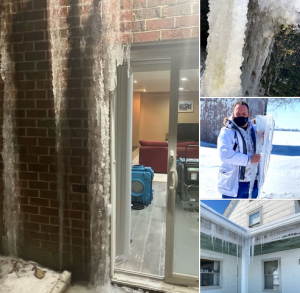
- Roof or window leaks
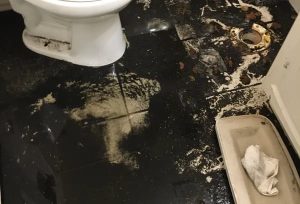
- Sewage backups
- Malfunctioning appliances
- Fire sprinkler discharge
Understanding the source of water damage is important because different types of water pose different risks.
Why Water Damage Requires Immediate Attention
Water spreads quickly through porous materials such as drywall, wood, and insulation. If moisture is not removed promptly, it can result in:
- Structural weakening
- Electrical hazards
- Permanent damage to floors and walls
- Mold growth within 24–48 hours
- Unpleasant odors and indoor air quality issues
Early intervention significantly reduces repair costs and restoration time.
Immediate Steps to Take After Water Damage
1. Ensure Safety First
Before entering affected areas:
- Turn off electricity if water is near outlets
- Avoid standing water where contamination may exist
- Wear protective gloves and footwear
2. Stop the Water Source
If possible, shut off the main water supply or address the source of the leak to prevent further damage.
3. Remove Standing Water
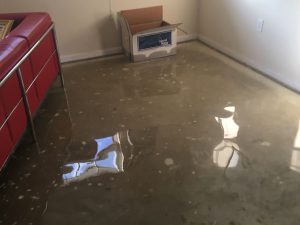
Standing water should be removed as soon as possible using pumps, wet vacuums, or absorbent materials.
4. Begin Drying the Area
Drying involves:
- Increasing air circulation
- Using dehumidifiers to reduce moisture
- Opening affected areas to expose trapped water
Surface drying alone is not sufficient—moisture often remains hidden inside walls and flooring.
The Water Damage Restoration Process Explained
A standard water damage restoration process includes:
- Inspection and moisture assessment
- Water extraction
- Structural drying and dehumidification
- Cleaning and sanitizing surfaces
- Monitoring moisture levels until dry
Proper moisture measurement ensures the property is thoroughly dried and safe for occupancy.
Water Damage and Mold Growth
Mold spores are naturally present in indoor environments. When moisture is introduced and not removed quickly, mold can begin growing within 24 to 48 hours.
Potential health concerns associated with mold exposure include:
- Allergic reactions
- Respiratory issues
- Headaches and irritation
Preventing mold requires complete drying and moisture control—not just visible cleanup.
Water Damage in Homes vs Businesses
While the causes may be similar, water damage impacts homes and businesses differently:
- Homes: damage to flooring, drywall, furniture, and personal belongings
- Businesses: operational downtime, inventory loss, equipment damage, and safety concerns
Commercial properties often require faster recovery to minimize business interruption.
When Professional Water Damage Restoration Is Necessary
Professional restoration may be necessary when:
- Water has soaked into walls or flooring
- Mold growth is suspected
- The water source is contaminated
- Structural materials are affected
- The damage covers a large area
Trained professionals use specialized equipment to detect and remove hidden moisture.
Conclusion
Water damage should never be ignored or delayed. Understanding the causes, immediate steps, and proper drying methods helps property owners protect their buildings and avoid secondary damage such as mold and structural deterioration.
Taking timely, informed action after water damage is the most effective way to ensure a safe and complete recovery.
Frequently Asked Questions
How long does it take for mold to grow after water damage?
Mold can begin developing within 24–48 hours if moisture is not properly removed.
Can water damage dry on its own?
In most cases, no. Moisture often remains trapped inside walls and floors even when surfaces appear dry.
Is water damage always visible?
No. Hidden moisture behind walls, under flooring, or in insulation can cause damage without visible signs.
Tri State Restorations LLC is a trusted disaster restoration company serving Washington DC, Maryland, and Virginia. From water and fire damage to mold remediation, we help homeowners and businesses recover quickly and safely.
Sharing is caring!