


When water damage strikes, every decision matters. The restoration company you choose—and the standards they follow—can determine whether your property is properly restored or whether hidden moisture leads to long-term damage.
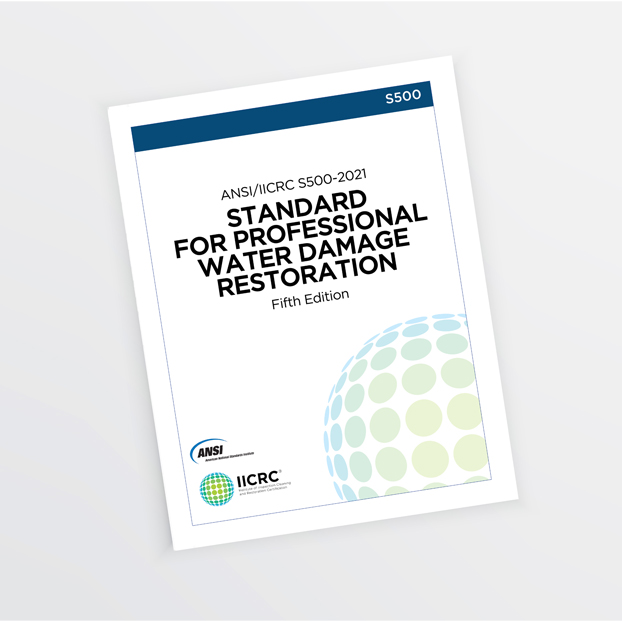
At Tri State Restorations, we don’t make drying decisions based on opinion or guesswork. We follow the ANSI/IICRC S500 Standard for Professional Water Damage Restoration, the nationally recognized consensus standard that establishes best practices for inspecting, mitigating and restoring water-damaged structures.
While many property owners have never heard of the ANSI/IICRC S500, it serves as the foundation for professional water damage restoration throughout the United States. It helps restoration professionals make science-based decisions designed to return your property to its pre-loss condition safely and effectively.
What Is the ANSI/IICRC S500?
The ANSI/IICRC S500 Standard for Professional Water Damage Restoration is an American National Standard developed through a consensus process involving restoration contractors, industrial hygienists, engineers, manufacturers, insurance professionals, educators and other industry experts.
Rather than telling contractors what to charge, the standard establishes how water damage should be evaluated and mitigated based on the unique conditions of each loss.
The standard states:
“The goal of a water damage restoration project is to restore the affected area to a pre-loss or intended condition.”
That single statement drives every recommendation we make during the restoration process.
Science Over Guesswork
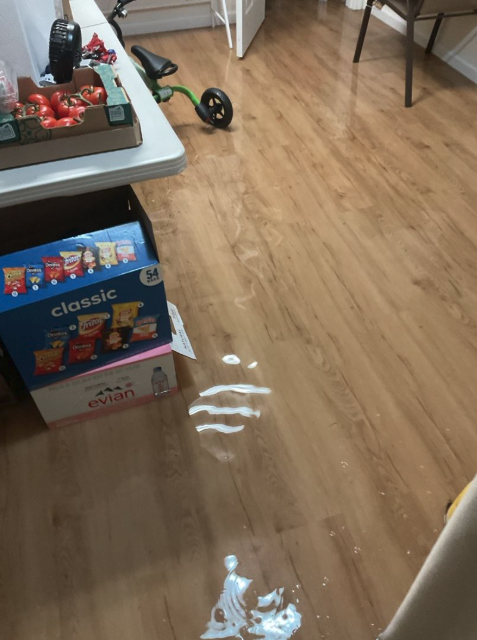
No two water losses are identical. A leaking supply line, overflowing washing machine, roof leak and sewage backup all require different restoration approaches. The ANSI/IICRC S500 requires restorers to evaluate numerous factors before developing a drying plan, including:
- Category of water
- Class of water intrusion
- Types of building materials affected
- Moisture content of structural materials
- Relative humidity and temperature
- Psychrometric conditions
- Potential health and safety hazards
This scientific approach ensures restoration decisions are based on measurable conditions—not assumptions.
Why Structural Drying Matters
Many homeowners assume water damage is resolved once standing water is removed. In reality, extracting visible water is only the beginning.
Moisture often migrates into drywall, insulation, framing, subfloors, cabinetry and other concealed building materials. Left untreated, trapped moisture can continue to spread through capillary action, increasing the extent of damage and creating favorable conditions for microbial growth.
Professional structural drying focuses on removing moisture from the building itself—not just the visible water.
Dry Doesn’t Mean “Looks Dry”
One of the biggest misconceptions in water damage restoration is believing a material is dry because it feels dry to the touch.
Professional restoration contractors use specialized equipment to determine whether materials have returned to their established dry standard.
The ANSI/IICRC S500 explains that successful drying is achieved when affected materials return to acceptable moisture levels comparable to similar, unaffected materials within the same structure.
That’s why our technicians use:
- Moisture meters
- Thermal imaging cameras
- Hygrometers
- Psychrometric calculations
- Daily moisture documentation
These tools allow us to verify progress scientifically instead of relying on visual inspections alone.
Equipment Is Calculated — Not Random
Another common question we receive is: “Why are there so many air movers and dehumidifiers in my home?”
Equipment placement is not arbitrary. The ANSI/IICRC S500 outlines methodologies for determining the appropriate amount of drying equipment based on:
- Square footage
- Building materials
- Water category
- Evaporation requirements
- Environmental conditions
Using too little equipment may slow drying, while removing equipment prematurely can leave hidden moisture behind. Our drying plans are designed to meet recognized industry standards while protecting your property from secondary damage.
Documentation Matters
Professional restoration involves much more than demolition and drying.
Throughout the mitigation process, our technicians document:
- Daily moisture readings
- Equipment performance
- Relative humidity
- Temperature
- Drying progress
- Photos of affected areas
- Changes to the drying plan as conditions improve
This documentation provides objective evidence that drying was performed according to accepted industry practices.
Why Choosing the Right Restoration Company Matters
Unfortunately, not every restoration contractor follows nationally recognized standards. Some companies rely on experience alone, while others may reduce drying equipment or shorten drying times to save costs. Although these approaches may appear less expensive initially, they can increase the risk of hidden moisture, structural deterioration and future microbial growth.
At Tri State Restorations, we believe doing the job correctly the first time protects both your property and your long-term investment. Our technicians are trained to follow the ANSI/IICRC S500 because we know proper restoration today helps prevent much larger problems tomorrow.
Your Local Resource for Water Damage Restoration
For more than 25 years, Tri State Restorations has proudly served homeowners, businesses, property managers and insurance professionals throughout Maryland, Washington, D.C., Northern Virginia and the surrounding region.
As a locally owned and operated company, we understand that every property represents more than just a building—it represents a home, a business, a family or a community. That’s why we remain committed to following recognized industry standards, investing in ongoing education and using proven restoration methods backed by science.
When disaster strikes, you deserve more than someone with drying equipment. You deserve experienced professionals who understand the science of structural drying, follow nationally recognized standards and are committed to restoring your property safely and responsibly.
Turning Disaster into Peace of Mind® One Property at a Time
If your home or commercial property experiences water damage, Tri State Restorations is available 24 hours a day, 7 days a week, 365 days a year to provide emergency mitigation, structural drying and complete restoration services. Learn more: www.tristaterestores.com
Editor’s Note: At Tri State Restorations, we believe educated property owners make more confident decisions. This article is part of our Restoration Learning Center, where we explain the science, standards, and best practices behind professional restoration. Our goal is to provide trusted information that helps homeowners, businesses, property managers, and insurance professionals better understand the restoration process before, during, and after a property loss.
—
ANSI/IICRC S500 Water Damage Restoration | Tri State Restorations
Learn how the ANSI/IICRC S500 Standard guides professional water damage restoration and why Tri State Restorations follows nationally recognized best practices to protect your property and return it to a pre-loss condition.