



Beginning October 1, 2027, Maryland condominium communities will be operating under one of the most significant changes to condominium insurance requirements in years.
House Bill 469 / Senate Bill 747 (Chapter 717 of the Maryland Acts of 2026) was enacted to better protect condominium associations and homeowners from devastating uninsured losses. The legislation closes a long-standing financial gap that, in some cases, left neighboring unit owners—or the association itself—absorbing substantial costs when an uninsured resident caused damage to the building.
For property managers, this law creates new responsibilities, new opportunities for risk reduction, and an increased need for owner education.
Why This Law Matters
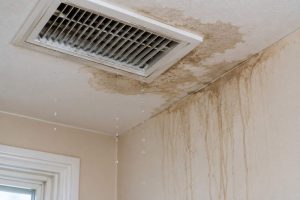
Water losses, kitchen fires, appliance failures, and other unit-originating incidents can quickly become six-figure claims affecting multiple residences and common areas.
Historically, when these losses originated inside a unit, the responsible owner’s financial obligation toward the association’s master insurance deductible was limited to just $10,000—even if the association’s deductible was significantly higher.
Beginning October 1, 2027, that statutory responsibility increases to $25,000, helping reduce the financial burden placed on neighboring owners and condominium associations.
Increased Deductible Responsibility
If damage originates from an individual condominium unit, the responsible owner may now be required to pay the lowest of:
- The actual cost to repair or replace the building damage
- The condominium association’s master insurance deductible
- $25,000 (the new statutory maximum)
This change more than doubles the previous limit and reinforces the importance of adequate personal insurance coverage.
Mandatory HO-6 Insurance for Unit Owners
To support this increased financial responsibility, Maryland now requires condominium unit owners (excluding communities consisting solely of detached homes) to maintain an HO-6 condominium insurance policy.
At a minimum, that policy must include:
- $25,000 in Loss Assessment Coverage to help pay the owner’s share of the association’s master policy deductible.
- $25,000 in Dwelling (Building Property) Coverage, or enough coverage to fully restore the owner’s unit, including any upgrades or improvements, whichever amount is greater.
This requirement helps ensure that when a loss occurs, the responsible owner has insurance available to respond rather than leaving the association or neighboring residents exposed.
New Responsibilities for Condominium Associations and Property Managers
The legislation also introduces several administrative requirements designed to improve compliance.
Annual Proof of Insurance
Associations must obtain written proof of insurance from unit owners annually or whenever requested by the board.
This means property managers should consider implementing standardized tracking procedures to monitor compliance and maintain current insurance records.
Authority to Obtain Coverage
If a unit owner fails to maintain the required insurance, the association may obtain an HO-6 policy on that owner’s behalf and charge the premium back to the owner’s assessment account.
This provision helps reduce the risk of uninsured units within the community while protecting the financial interests of all owners.
Annual Insurance Disclosure
Boards are now required to provide annual written notice informing owners of:
- The association’s current master insurance deductible
- Their potential financial responsibility under the new law
Providing this information allows residents to review their personal policies and make any necessary coverage adjustments before a loss occurs.
What Property Managers Should Be Doing Now
Although the law does not take effect until October 1, 2027, proactive planning can make implementation much smoother.
Property managers should begin preparing by:
- Reviewing governing documents and insurance procedures.
- Coordinating with legal counsel and insurance professionals regarding compliance.
- Developing an annual insurance verification process.
- Educating board members about the new requirements.
- Communicating early with residents so they have time to update their HO-6 policies before the deadline.
Protecting Your Community Before the Next Loss
No one expects a burst pipe, dishwasher leak, or kitchen fire to happen in their building—but when it does, preparation makes all the difference.
This new Maryland law is designed to protect condominium communities from costly uninsured losses while ensuring that the financial responsibility remains with the unit where the loss originated, rather than shifting that burden to neighbors or the association.
For property managers, the legislation is more than a compliance requirement—it’s an opportunity to strengthen risk management, improve owner education, and help protect the long-term financial health of the communities you serve.
At Tri State Restorations, we work with condominium associations and property managers throughout Maryland to respond quickly when water, fire, or mold losses occur. While emergency mitigation can limit damage, proper insurance planning before disaster strikes remains one of the most effective ways to protect your community.
Sharing is caring!