


After a water damage emergency, it’s not uncommon for homeowners to look around their property and think:
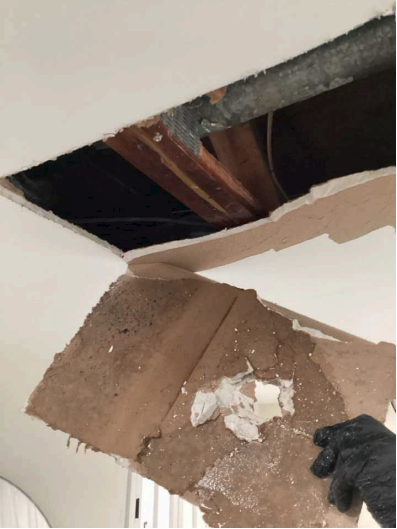
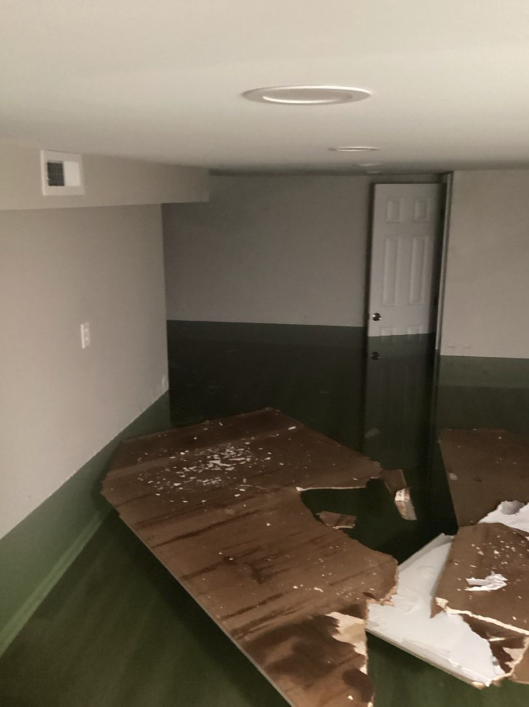
“They only removed a little drywall and left a few fans running…why does the invoice seem so high?”
It’s a fair question—especially if you’ve never experienced a restoration project before.
The reality is that what you see is only a small part of what professional restoration actually involves.
At Tri State Restorations, our job isn’t simply to remove wet materials or place drying equipment. Our responsibility is to use science, experience, and industry standards to prevent a small water loss from becoming a much larger problem.
You’re Not JUST Paying for Drywall Removal
Anyone can cut drywall.
The real value comes from knowing:
- Which drywall actually needs to be removed
- Which materials can be safely saved
- How far moisture has traveled beyond what’s visible
- How to prevent mold before it starts
- How to dry structural materials without causing additional damage
Salvagability plays a big role for restorers. Removing too much drywall increases reconstruction costs.
Removing too little can leave hidden moisture trapped inside walls, floors, or ceilings—leading to mold growth, structural deterioration, and future repairs.
Experience matters.
The Equipment Is Only One Part of the Process
Those air movers and dehumidifiers aren’t simply “fans.”
Each piece of equipment is carefully selected and placed based on:
- The size of the affected area
- The type of building materials involved
- Moisture content
- Temperature
- Relative humidity
- Air movement requirements
Our technicians monitor the drying process daily, using specialized moisture meters and hygrometers to measure progress. Equipment is adjusted based on documented conditions—not guesswork.
Professional drying is a science.
What You Don’t See
While drying equipment may be the most visible part of the project, much of our work happens behind the scenes.
Our team is also:
- Performing moisture mapping throughout the property
- Identifying hidden water migration
- Monitoring psychrometric conditions
- Photographing damage for documentation
- Recording daily moisture readings
- Preparing detailed estimates
- Updating project documentation
- Following recognized industry standards for structural drying
- Adjusting the drying plan as conditions change
- Communicating with insurance representatives throughout claims negotiations to keep your out of pocket costs as low as possible
These tasks require training, specialized equipment, and technical expertise—but they’re often invisible to the homeowner.
Preventing Tomorrow’s Problems
Emergency mitigation isn’t just about removing today’s water.
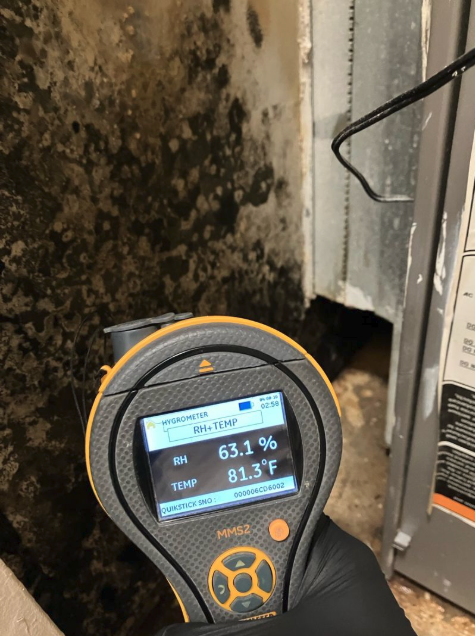
It’s about preventing tomorrow’s problems.
Done properly, mitigation reduces the risk of:
- Mold growth
- Wood floor failure
- Warped framing
- Odors
- Secondary water damage
- Structural deterioration
- Additional demolition
In many cases, successful mitigation actually reduces the amount of reconstruction required later.
Restoration Is a Specialized Profession
Just as you wouldn’t judge an electrician by how quickly they replace a breaker, or a surgeon by how long an operation takes, restoration isn’t measured by how much drywall is removed or how quickly it happened.
It’s measured by the knowledge required to determine the right course of action.
Our technicians receive ongoing professional training in:
- Water damage restoration
- Structural drying
- Moisture detection
- Mold prevention
- Safety procedures
- Building science
Behind every drying project is years of education, specialized equipment, and experience that help protect your home from additional damage.
The Restoration Reality
What appears to be “just a few fans and some drywall removal” is actually a carefully planned process designed to stabilize your property, document the loss, prevent secondary damage, and restore your home as efficiently and safely as possible.
The equipment is simply the visible part.
The expertise behind it is what truly protects your property.
How Tri State Restorations Helps
At Tri State Restorations, we believe our customers deserve more than quality restoration—they deserve to understand the process.
That’s why we take the time to explain what we’re doing, why we’re doing it, and how every step helps protect your property, minimize additional damage, and support your recovery.
Because restoring your home isn’t just about drying materials.
It’s about restoring confidence and peace of mind.